Retail Banking (M.Com.) (As per NEP 2020)

(0 customer reviews)
115.00

SYLLABUS

MODULE - I:                                                                      (2 CREDITS) Unit 1: Introduction of Retail Banking:
  • Introduction, Birth of Banking, Causes of the Development of Money, Birth of the Banking System, Characteristics of Retail Banking, Advantages of Retail Banking, Constraints in Retail Banking, Prerequisite for Success of Retail Banking.
  • Retail Banking in India, Challenges for Retail Banking, Reason for the Growth of the Retail Banking Segment, Scope of Retail Banking in India, Future of Retail Banking.
Unit 2: Retail Products:
  • Retail Products Overview, The Approval Process for Retail Loans, Credit Scoring, Important Asset Products such as Home Loans, Auto / Vehicle Loans, Educational, Loans, Credit / Debit Cards, Other Products / Remittances / Funds Transfer.
  • Marketing / Selling of Retail Products, MIS and Accounting - Retail Strategies, Delivery Channels, Selling Process in Retail Products –Direct Selling Agents, Customer Relationship Management, Regulations and Compliance – Technology for Retail Banking, Accounting Entries.
MODULE - II:                                                                     (2 CREDITS) Unit 3: Introduction to Principles of Retail Lending and Types of Retail Advances:
  • Principles of Retail Lending – General Principles, Six 'C' Principles, Sources of Information; Types of Retail Advances – Personal Loans, Consumer Loans, Home Loans, Auto Loans, Educational Loans, Installment Credit, Loan Against Shares, Loan Against Automobiles, Loan Against Home, Marriage Loans, Single Payment Loans, Bank Credit Cards, 30-Day Charge Card
  • Loan Evaluation Procedure, Credit Analysis, Credit Scoring, Common Credit Scoring Models, Limitations of Credit Scoring, Risk Management and Retail Banking, Risk and Return on Consumer Loans, Revenues from Consumer Loans, Processing of Loans.
Unit 4: Application of Retail Banking and Other Issues:
  • Business Process Structure in Retail Banking, Business Approach (Domain Specific) in Retail Banking, Product Models in Retail Banking (Liability Products, Retail Asset Products, Other Products / Services), Process Models for Products and Services, Pricing of Products and Services, Technology Models in Retail Banking.
  • Securitisation, Mortgage-based Securities; Trends in Retailing – New Products like Insurance, Demat Services, Online / Phone Banking, Property Services, Investment Advisory / Wealth Management, Reverse Mortgage Growth of e-banking, Cross-Selling Opportunities; Recovery of Retail Loans – Defaults, Rescheduling, Recovery Process; SARAFAESI Act, DRT Act, Use of Lok Adalat Forum. Recovery Agents – RBI Guidelines.
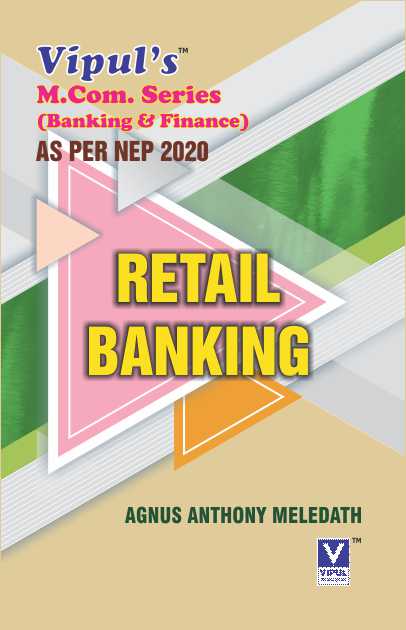
FYMCOM — SEMESTER – II

Author: Agnus Anthony Meledath

FIRST EDITION 2025

Description

SYLLABUS

MODULE – I:                                                                      (2 CREDITS)

Unit 1: Introduction of Retail Banking:

  • Introduction, Birth of Banking, Causes of the Development of Money, Birth of the Banking System, Characteristics of Retail Banking, Advantages of Retail Banking, Constraints in Retail Banking, Prerequisite for Success of Retail Banking.
  • Retail Banking in India, Challenges for Retail Banking, Reason for the Growth of the Retail Banking Segment, Scope of Retail Banking in India, Future of Retail Banking.

Unit 2: Retail Products:

  • Retail Products Overview, The Approval Process for Retail Loans, Credit Scoring, Important Asset Products such as Home Loans, Auto / Vehicle Loans, Educational, Loans, Credit / Debit Cards, Other Products / Remittances / Funds Transfer.
  • Marketing / Selling of Retail Products, MIS and Accounting – Retail Strategies, Delivery Channels, Selling Process in Retail Products –Direct Selling Agents, Customer Relationship Management, Regulations and Compliance – Technology for Retail Banking, Accounting Entries.

MODULE – II:                                                                     (2 CREDITS)

Unit 3: Introduction to Principles of Retail Lending and Types of Retail Advances:

  • Principles of Retail Lending – General Principles, Six ‘C’ Principles, Sources of Information; Types of Retail Advances – Personal Loans, Consumer Loans, Home Loans, Auto Loans, Educational Loans, Installment Credit, Loan Against Shares, Loan Against Automobiles, Loan Against Home, Marriage Loans, Single Payment Loans, Bank Credit Cards, 30-Day Charge Card
  • Loan Evaluation Procedure, Credit Analysis, Credit Scoring, Common Credit Scoring Models, Limitations of Credit Scoring, Risk Management and Retail Banking, Risk and Return on Consumer Loans, Revenues from Consumer Loans, Processing of Loans.

Unit 4: Application of Retail Banking and Other Issues:

  • Business Process Structure in Retail Banking, Business Approach (Domain Specific) in Retail Banking, Product Models in Retail Banking (Liability Products, Retail Asset Products, Other Products / Services), Process Models for Products and Services, Pricing of Products and Services, Technology Models in Retail Banking.
  • Securitisation, Mortgage-based Securities; Trends in Retailing – New Products like Insurance, Demat Services, Online / Phone Banking, Property Services, Investment Advisory / Wealth Management, Reverse Mortgage Growth of e-banking, Cross-Selling Opportunities; Recovery of Retail Loans – Defaults, Rescheduling, Recovery Process; SARAFAESI Act, DRT Act, Use of Lok Adalat Forum. Recovery Agents – RBI Guidelines.
Narayan Niwas, 161,
Jagannath Shankar Seth Road,
Girgaum, Mumbai 400 004. Maharashtra, INDIA.

Need Help

Monday – Saturday: 10:30AM to 07:00PM

info@vipulprakashan.com

© Copyright 2025 Vipul Prakashan – All Rights Reserved – Powered by MTech