Home / Self Finance Courses / BFM / T. Y. BFM / Semester - VI / Elective / Corporate Restructuring

Corporate Restructuring

(0 customer reviews)
150.00

SYLLABUS

  (1)    Introduction and Concepts:
  • Meaning of Corporate Restructuring.
  • Need, Scope and Modes of Restructuring
  • Historical Background.
  • Emerging Trends.
  • Planning, Formulation and Execution of Various Corporate Restructuring Strategies - Mergers, Acquisitions, Takeovers, Disinvestments and Strategic Alliances, Demerger and Hiving off.
  • Expanding Role of Professionals.
  (2)    Merger and  Amalgamation, Corporate Demerger and Reverse Merger:
  • Introduction to Merger and Amalgamation, Corporate Demerger and Reverse Merger.
  • Legal, Procedural, Economic, Accounting, Taxation and Financial Aspects of Mergers and Amalgamations including Stamp Duty and Allied Matters.
  • Interest of Small Investors.
  • Merger Aspects under Competition Law.
  • Cross Border Acquisition and Merger.
  • Concept of Demerger; Modes of Demerger - by Agreement, under Scheme of Arrangement.
  • Demerger and Voluntary Winding Up.
  • Legal and Procedural Aspects; Tax Aspects and Reliefs.
  • Reverse Mergers – Procedural Aspects and Tax Implications.
  • Meaning and Concept of Takeover.
  • Types of Takeovers; Legal Aspects – SEBI Takeover Regulations.
  • Disclosure and Open Offer Requirements.
  • Bail Out Takeovers and Takeover of Sick Units.
  • Takeover Defenses.
  • Cross Border Takeovers.
  (3)    Funding of Merger and Takeover and Financial Restructuring:
  • Financial Alternatives; Merits and Demerits.
  • Funding through various Types of Financial Instruments including Equity and Preference Shares, Debentures, Securities with Differential Rights, Swaps, Stock Options; ECBs, Funding through Financial Institutions and Banks.
  • Rehabilitation Finance.
  • Management Buyouts / Leveraged Buyouts.
  • Reduction of Capital.
  • Reorganization of Share Capital.
  • Buy-Back of Shares – Concept and Necessity.
  • Procedure for Buy-Back of Shares by Listed and Unlisted Companies.
  (4)    Post-Merger Reorganization:
  • Factors involved in Post-Merger Reorganization.
  • Integration of Businesses and Operations.
  • Assessing Accomplishment of Post-Merger Objectives; Measuring Post Merger Efficiency.
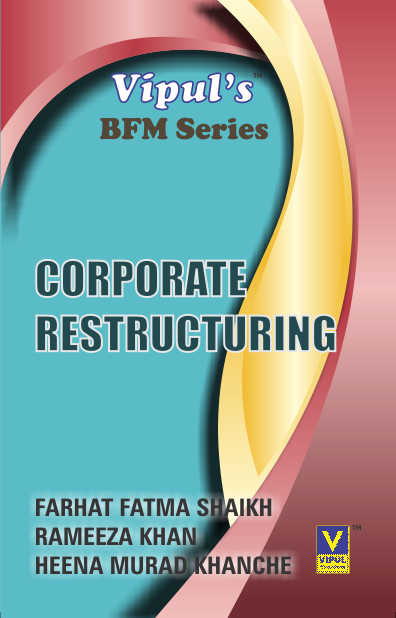
TYBFM — SEMESTER – VI

Author: Rameeza Sartaj Ahmed Khan

                Heena Murad Khanche

                Farhat Fatma Shaikh

FOURTH EDITION 2023

Description

SYLLABUS


(1)    Introduction and Concepts:

  • Meaning of Corporate Restructuring.
  • Need, Scope and Modes of Restructuring
  • Historical Background.
  • Emerging Trends.
  • Planning, Formulation and Execution of Various Corporate Restructuring Strategies – Mergers, Acquisitions, Takeovers, Disinvestments and Strategic Alliances, Demerger and Hiving off.
  • Expanding Role of Professionals.


(2)    Merger and  Amalgamation, Corporate Demerger and Reverse Merger:

  • Introduction to Merger and Amalgamation, Corporate Demerger and Reverse Merger.
  • Legal, Procedural, Economic, Accounting, Taxation and Financial Aspects of Mergers and Amalgamations including Stamp Duty and Allied Matters.
  • Interest of Small Investors.
  • Merger Aspects under Competition Law.
  • Cross Border Acquisition and Merger.
  • Concept of Demerger; Modes of Demerger – by Agreement, under Scheme of Arrangement.
  • Demerger and Voluntary Winding Up.
  • Legal and Procedural Aspects; Tax Aspects and Reliefs.
  • Reverse Mergers – Procedural Aspects and Tax Implications.
  • Meaning and Concept of Takeover.
  • Types of Takeovers; Legal Aspects – SEBI Takeover Regulations.
  • Disclosure and Open Offer Requirements.
  • Bail Out Takeovers and Takeover of Sick Units.
  • Takeover Defenses.
  • Cross Border Takeovers.


(3)    Funding of Merger and Takeover and Financial Restructuring:

  • Financial Alternatives; Merits and Demerits.
  • Funding through various Types of Financial Instruments including Equity and Preference Shares, Debentures, Securities with Differential Rights, Swaps, Stock Options; ECBs, Funding through Financial Institutions and Banks.
  • Rehabilitation Finance.
  • Management Buyouts / Leveraged Buyouts.
  • Reduction of Capital.
  • Reorganization of Share Capital.
  • Buy-Back of Shares – Concept and Necessity.
  • Procedure for Buy-Back of Shares by Listed and Unlisted Companies.


(4)    Post-Merger Reorganization:

  • Factors involved in Post-Merger Reorganization.
  • Integration of Businesses and Operations.
  • Assessing Accomplishment of Post-Merger Objectives; Measuring Post Merger Efficiency.
Narayan Niwas, 161,
Jagannath Shankar Seth Road,
Girgaum, Mumbai 400 004. Maharashtra, INDIA.

Need Help

Monday – Saturday: 10:30AM to 07:00PM

info@vipulprakashan.com

© Copyright 2025 Vipul Prakashan – All Rights Reserved – Powered by MTech