End of Content.
End of Content.
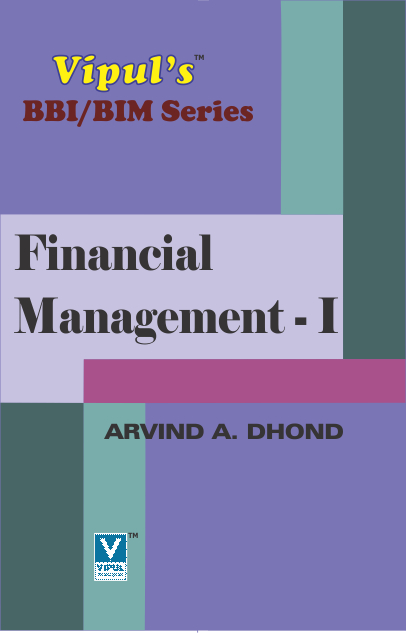
| Unit | Name of the Topic |
| 1 | Introduction of Finance and Financial Management: |
| (A) Introduction to Finance: ¨ Meaning and Definition of Finance ¨ Importance of Finance ¨ Types of Finance: Public and Private ¨ Sources of Finance: (1) Long Term Sources: Term Loans, Debentures, Bonds, Zero Coupon Bonds, Convertible Bonds, Equity Shares, Preference Shares, CD, CP, Public Deposits. (2) Short Term Sources: Bank Finance, Trade Credit, Other Short Term Sources. (3) Venture Capital and Hybrid Financing. (B) Financial Management: ¨ Meaning and Importance of Financial Management. ¨ Scope of Financial Management. ¨ Functions and Objectives of Financial Management. ¨ Primary Objective of Corporate Management. ¨ Agency Problem. ¨ Organization of Finance Function. ¨ Emerging Role of Finance Managers in India. (C) Objectives of the Firm: ¨ Profit Maximization and Shareholders Wealth Maximization. ¨ Profit v/s Value Maximization. | |
| 2 | Financial Goal Setting and Time Value of Money: |
| (A) Financial Goal Setting: ¨ Introduction. ¨ Financial Forecasting – Meaning, Techniques, Benefits. ¨ Approaches to Financial Planning. ¨ Economic Value Added (EVA) – Measurement and Components. ¨ Free Cash Flow (FCF). | |
| (B) Time Value of Money: ¨ Concept. ¨ Present Value. ¨ Annuity. ¨ Techniques of Discounting. ¨ Techniques of Compounding. | |
| 3 | Investment Decisions: Capital Budgeting: |
| (A) Capital Budgeting: ¨ Nature of Capital Budgeting. ¨ Purpose of Capital Budgeting. ¨ Capital Budgeting Process. ¨ Types of Capital Investment. ¨ Basic Principle of Measuring Project Cash Flows. ¨ Increment Principle, Long Term Funds Principle, Exclusion of Financial Cost Principle, Post Tax Principle. ¨ Probability Technique for Measurement of Cash Flow. ¨ Capital Budgeting Techniques: Net Present Value; Profitability Index and Discounted Payback Method. ¨ A Comparison: Project Selection Under Capital Rationing. (Note: Problems on computation of cash flow, ranking of projects on various techniques, selection and analysis with / without capital rationing.) | |
| 4 | Financial Decisions: |
| (A) Cost of Capital: ¨ Introduction and Definition of Cost of Capital. ¨ Measurement of Cost of Capital. ¨ Measurement of WACC using book value and market value method. ¨ Measuring Marginal Cost of Capital. (B) Capital Structure Decisions: ¨ Meaning and Choice of Capital Structure. ¨ Importance of Optimal Capital Structure. ¨ EBIT-EPS Analysis. ¨ Capital Structure Theories. ¨ Dividend Policies (Walter and Gordon). |
| Unit | Name of the Topic |
| 1 | Introduction of Finance and Financial Management: |
| (A) Introduction to Finance:
¨ Meaning and Definition of Finance ¨ Importance of Finance ¨ Types of Finance: Public and Private ¨ Sources of Finance: (1) Long Term Sources: Term Loans, Debentures, Bonds, Zero Coupon Bonds, Convertible Bonds, Equity Shares, Preference Shares, CD, CP, Public Deposits. (2) Short Term Sources: Bank Finance, Trade Credit, Other Short Term Sources. (3) Venture Capital and Hybrid Financing. (B) Financial Management: ¨ Meaning and Importance of Financial Management. ¨ Scope of Financial Management. ¨ Functions and Objectives of Financial Management. ¨ Primary Objective of Corporate Management. ¨ Agency Problem. ¨ Organization of Finance Function. ¨ Emerging Role of Finance Managers in India. (C) Objectives of the Firm: ¨ Profit Maximization and Shareholders Wealth Maximization. ¨ Profit v/s Value Maximization. |
|
| 2 | Financial Goal Setting and Time Value of Money: |
| (A) Financial Goal Setting:
¨ Introduction. ¨ Financial Forecasting – Meaning, Techniques, Benefits. ¨ Approaches to Financial Planning. ¨ Economic Value Added (EVA) – Measurement and Components. ¨ Free Cash Flow (FCF). |
|
| (B) Time Value of Money:
¨ Concept. ¨ Present Value. ¨ Annuity. ¨ Techniques of Discounting. ¨ Techniques of Compounding. |
|
| 3 | Investment Decisions: Capital Budgeting: |
| (A) Capital Budgeting:
¨ Nature of Capital Budgeting. ¨ Purpose of Capital Budgeting. ¨ Capital Budgeting Process. ¨ Types of Capital Investment. ¨ Basic Principle of Measuring Project Cash Flows. ¨ Increment Principle, Long Term Funds Principle, Exclusion of Financial Cost Principle, Post Tax Principle. ¨ Probability Technique for Measurement of Cash Flow. ¨ Capital Budgeting Techniques: Net Present Value; Profitability Index and Discounted Payback Method. ¨ A Comparison: Project Selection Under Capital Rationing. (Note: Problems on computation of cash flow, ranking of projects on various techniques, selection and analysis with / without capital rationing.) |
|
| 4 | Financial Decisions: |
| (A) Cost of Capital:
¨ Introduction and Definition of Cost of Capital. ¨ Measurement of Cost of Capital. ¨ Measurement of WACC using book value and market value method. ¨ Measuring Marginal Cost of Capital. (B) Capital Structure Decisions: ¨ Meaning and Choice of Capital Structure. ¨ Importance of Optimal Capital Structure. ¨ EBIT-EPS Analysis. ¨ Capital Structure Theories. ¨ Dividend Policies (Walter and Gordon). |